14/09/2026
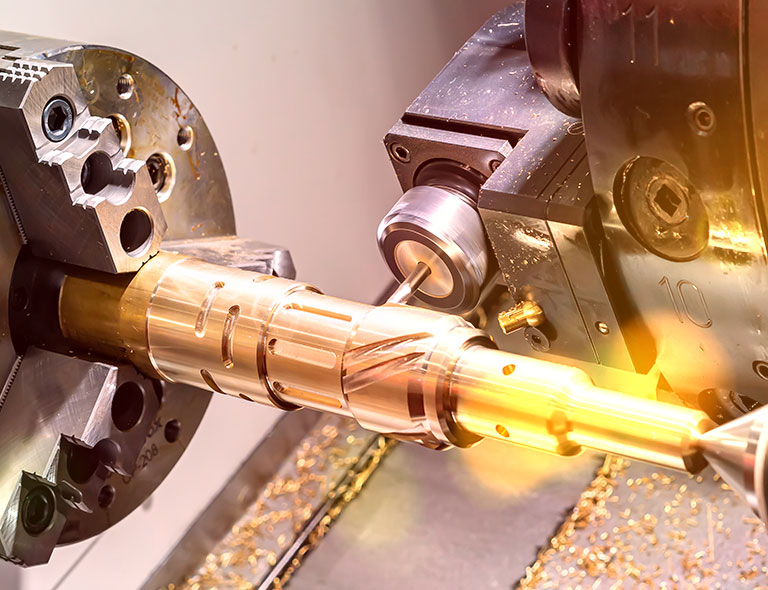
Superalloys are high-performance materials used in industrial sectors where high mechanical strength, stability at high temperatures and reliability over time are required. Superalloy turning is one of the most complex processes in precision mechanics, because these materials have characteristics that make the process more difficult than traditional steels.
Thanks to their properties, superalloys are used to make components for critical applications, where precision and durability are fundamental elements.
Let's find out together their characteristics and the positive and negative aspects they bring with them during the processing phase.
The correct approach allows you to take advantage of all the advantages of superalloys while reducing the effects of machining difficulties.
Turning superalloys is one of the most complex challenges in precision mechanics, but it offers significant advantages due to the high performance of these materials.
Relying on a turning shop specialized in the processing of superalloys means guaranteeing quality, precision and continuity even in the most complex applications. Contact us.
Turning of superalloys: machining difficulties and advantages
Superalloys are high-performance materials used in industrial sectors where high mechanical strength, stability at high temperatures and reliability over time are required. Superalloy turning is one of the most complex processes in precision mechanics, because these materials have characteristics that make the process more difficult than traditional steels.
Thanks to their properties, superalloys are used to make components for critical applications, where precision and durability are fundamental elements.
Let's find out together their characteristics and the positive and negative aspects they bring with them during the processing phase.
- Characteristics of superalloys in precision mechanics
- Difficulties in machining superalloys
- Advantages of superalloys in mechanical turning
- Superalloys in mechanical turning: the importance of technical expertise
Characteristics of superalloys in precision mechanics
Superalloys are materials designed to maintain high performance even under extreme operating conditions. They are generally composed of nickel, cobalt or iron and can be enriched with other elements to improve their properties.- One of the main characteristics of superalloys is the ability to maintain strength and stability even at high temperatures. This property makes them indispensable in sectors such as aerospace, energy and advanced industry.
- Superalloys offer very good resistance to deformation and wear. This feature makes it possible to produce components that are subjected to high loads, vibrations and particularly demanding operating conditions.
- The use of superalloys in precision mechanics makes it possible to produce reliable and durable technical parts.
Difficulties in machining superalloys
The machining of superalloys on a lathe requires specific skills, adequate machinery and correct management of cutting parameters. Their high hardness and low thermal conductivity can increase tool wear and make process control more complex.-
Tool wear
One of the main difficulties in superalloy machining concerns tool wear. The strength of the material generates high stresses during cutting, reducing the life of inserts and requiring careful selection of geometries and tool materials.
The use of specific tools, such as those made of carbide or with advanced coatings, allows you to improve productivity and maintain high quality standards.
-
Heat management
Superalloys have a low ability to dissipate the heat generated during machining. This can cause an increase in temperature in the cutting zone, affecting both tool life and the surface quality of the component.
For this reason, it is essential to optimize refrigeration, cutting speed and feeds.
-
Checking Machining Parameters
Turning superalloys requires precise adjustment of process parameters. Too high speeds or inadequate conditions can compromise dimensional accuracy and increase production costs.
Advantages of superalloys in mechanical turning
Despite the difficulties of machining, superalloys offer important advantages that make them indispensable in many industrial areas. Their ability to guarantee high performance allows for the development of safer, more efficient and resistant components.-
Component reliability
One of the main advantages of superalloys in mechanical turning is the possibility of producing components intended to work in extreme conditions while maintaining constant characteristics over time.
This aspect is essential in sectors where any failures can compromise safety and functionality.
-
Reduced maintenance
Thanks to their resistance to wear, corrosion and high temperatures, superalloys make it possible to increase the life of components and reduce the need for maintenance.
-
Advanced industrial applications
Superalloys are mainly used in the aerospace, energy, petrochemical sectors and in the production of high-performance industrial machinery.
They are used to make shafts, flanges, bushings, turbine components and parts subjected to harsh operating conditions.
Superalloys in mechanical turning: the importance of technical expertise
The machining of superalloys requires expertise in tool selection, production cycle definition and tolerance control. A specialized turning shop can manage these complex processes ensuring precision and production continuity.The correct approach allows you to take advantage of all the advantages of superalloys while reducing the effects of machining difficulties.
Turning superalloys is one of the most complex challenges in precision mechanics, but it offers significant advantages due to the high performance of these materials.
Relying on a turning shop specialized in the processing of superalloys means guaranteeing quality, precision and continuity even in the most complex applications. Contact us.
GUERRINI LAURO S.R.L.
Via Umberto I°, 65
Calcio - Bergamo - Italy
Tel. +39 0363 969646
VAT Number 03675810166
Paid-up share capital € 12.000,00
Privacy policy | Cookie policy

Via Umberto I°, 65
Calcio - Bergamo - Italy
Tel. +39 0363 969646
VAT Number 03675810166
Paid-up share capital € 12.000,00
Privacy policy | Cookie policy
 Design by It's Web Agency Brescia